
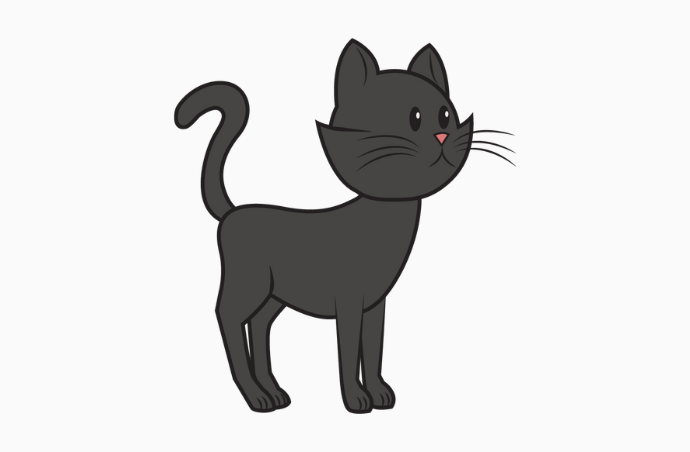
Nit etoluteniyehtit skicinuwok; psi-yaq-ote pomokiyik. Pesq-yaq wolmahtu naka piyemi-kinapiyan, macaha ehtahsi-kiskahkil nimyanol ‘tahtapiyil naka pahqiyil; tomhikon naka mihkutanis; nehpaha musuwok naka muwinuwal;
Ktomakol [ktomakelkewakon] kahanmihset-te; ‘Kisima ktomakeyilicihi. Tan etuci apaciyalit, ‘taskiwaniya ‘t-oqecimulaniya tan ehtek nehpataq.
[There was a village of Indians; everyone indeed was a balckcat. One, however, the cleverest and bravest, goes off every day; he takes along his bow and arrows, ax and knife; he kills moose and bears; to the poor man he gives; he fed the poor. When he returns, they approach him to ask him where is what he has killed.]
Tan etuci kisiyahat, nit-tehc maciyapasiniya; ‘topakwonuwol apatapsihtitl etutnasoltihtit-tehc wiyuhs. Wot Pomok sakom; ‘mihtaqsol muwiniyil. Poktoinskwes motewolin Pomokesq. Ehpit kisi-skitapehwolessu tan-te litahatok, kenuk-olu yuhtol kisihkul skitapehwolessu. Etuci mocikit moskuwitamol sakomol. Pihce ‘tpitahatomon tan ‘tolokisihsemahlan naka nekom wihqetuwan ‘toli-topuswakon.
[When he tells them, then they go off. Their Toboggans they fetch along; then they load them with meat. This is Pomok the chief; his father (was) a bear. Poktoinskwes the witch was a she-blackcat. Woman or man she becomes according as she wishes, but in these days she is a man. Then she being evil she hates the chief. A long time she considers how she can punish him and take away his place.]
Neqt pemkiskahk kisachitihtit keyukocihtihtit koti-maceyuhtiyik. Poktoinskwes ‘tiyal sakomol; “Ckuwiyamin. Knaci-munawnatihpon.” Elomi-lawyaniya oqitonok. Apc aqomok milawwew pihcetu. Malom-ote pociyik monihkuk. Etoloqasihtit qoni oli-wononat, pomok (Koluskap), Poktoinskwes etuci-nektahat, maceluhkin Oqitonok macehtun: “Nektaha Pomoki monihkuk; Nit-oc nil sakomawin.”
[One day when they prepare what they have, they go to travel. Poktoinskwes says to the chief. “Come with me; we shall go to gather eggs;” they go in a canoe. Again they canoe still farther. Then they come to an island. When they land, while he gathers eggs viz., Pomok (Koluskap), Poktoinskwes then leaves him, going off in the canoe and she begins to sing: “I leave Pomok on the island, now I am chieftain.”]
Nit peciyan Utenehsisok. Wespasakiwik psi-te macahawiyil Kcihkuk; mec-ote pesq ‘t-esqehsiwon; nit tehpu wiciyemahtitponil. Welaqiyik wikesinya. Ehtahsi-kiskakahkil ‘t-askuwyawol sakomamuwol. Nit tokkiw Poktoinskwes sakomawiw.
[Then she comes to the village. In the morning all go to the woods, not one is left, he only who is worth most (?)( is not there). At night they camp. Every day they expect their chief. So then Poktoinskwes is chief.]
Nsanku-kisuhk-nehkiwik sakom mihqitahamol witapiyil qaqsossol motewolinuwewol kosona piluwapeyiw. Etuci tolintaq; Qaqsoss nutuwol, apeqak pihcetu. Nit-te etoli-moskuwat sakomol neke tuciw Pokumk katama kisi-pihcemok. Qaqsoss-olu ‘tiyal kosokuhulan ktahkmiq; Milawasukaniya. Qaqsoss ‘tiyal: “Piskiqew naka kolahqaluwenin; musa soksihk-tehc, nokosawiyiw kmotekhemuhpin.
[On the thirteenth day the chief remembers his friend the fox, who is a wizard or magician. Then he sings; the fox hears him, although he is far off. So fox starts and goes to the island. When he finds the chief, at that time Pomok cannot go (swim) far. The fox says to him that he will take him to the mainland; that they will go together by water. The fox says; “close your eyes and seize my tail; do not fear, quickly we shall finally reach land.”]
Nit-te-ona macehnin ‘sewepehlal witapiyil; sankehmakon-olu sakom. Kekeskossis apskapu; nomihtun wisoki sepayiw iyuwok. Katama wolamsitahsiw, litahasu: “Katama komotaqsiw” etoli-ewestaq: “Katama-tehc komotekhomuhpon.” Qaqsoss ‘tiyal: “Musa wolamsehtaseke-oc!”
[Then his friend starts towing {pulling} him, the chief begins to tire; a little he opens one eye; he sees that they are very near. He does not have faith. He thinks: “We shall never arrive.” the fox says to him; “Do not believe it!”
Kenuk-olu komac pihcetahatomon. Pomok litahasu wahkessin elomulkimok, kenuk-olu kekehs kaptenin naka wisokelamson; samaqan on sawapinaqot. Poktoinskwes ‘kisihtun mocikiskot. Neke-kal-te pemhomok; mesq piskiyawok motekhomoniya.
[but he thinks it is very far. Pomok thinks that he is scarcely strong enough, but so far as eye can reach, it is very stormy; the water indeed runs high. Poktoinskwes made bad weather. All day they swim; not before it is dark do they land.]
“Nil nuli nitap,” itom Qaqsoss “Kmacahan.” ‘toliyan pomoki wikuwamihkuk. Peciyat Qanotuwanok, tehpu tupqan naka tkeyu. Pomawsuwinuwok macehsponik.
Nit-ona nekom mace-nuhsuhqan;
Neke-kal-ote wecuwawkawamon;
Skawastenuqacil wikuwossol ‘pomihphal ‘simisol Nimaqsuwehsuwol ‘pahkamok.
Nekom yat-te-olu elapit nihkanapu.
Pomok eli-muskehsit mipisihkuk Nimaqsuwehs nomiyol, ‘titomon: “Weckuwyat nhesis.” Eli-qolopessit, katama nomihtu. Pomok aqakuwehtessin oposiyik. Nit-te macah-’tolemuhsaniya. Apc Nimaqsuwehs kakaluwan: “ Cu-te-olu, Nika[wuss], nomiya nhesis.” Apc Nimaqsuwehs qolopessit keskuwamon naka tuciw wolaswelhsiktelmultiniya. Nit-te olnaqahk nipihkuk Nimaqsuwehsuwol tahalu opis.
[“My good friend,” says Fox “You may go.” He runs to the Blackcats’ camp. When he comes to the long house, only ashes and cold. The people had gone away. Then indeed he begins to follow them. In one day he comes near, he overtakes his mother carrying his younger brother, the sable, on her back. She is looking ahead, but he is looking backward. As Pomok comes out from the leaves, Sable sees them. He says: “ My elderbrother is coming up.” When she turns, she does not see anything. Pomok hides in a tree. Then they go on. Again Sable calls out: “Certainly my mother, I see my elderbrother.” Then once more she turns; she catches him and they rejoice and laugh. Then she throws Sable down on the leaves, like a stick.]
Koluskap ‘t-elkimon Nimaqsuwehsuwol-li” “Qasq wikuwamok; tan etuci peciyeyin kotolihtun kci-sqot, wolqessqi sqot, naka ‘kotosiyahkewan Poktoinskwes nicanol; na ckuwiphuwamon tan-ote kisituciyeyin.”
[Koluskap instructs Sable: “Run to Camp, when you come, make a great fire, a hemlock bark fire, and throw into it Poktoinskwes child; then do come away quickly to me when you have done it.]
Elkimat, nit-te eluhkelit. Kspotek sqot, ‘kotosiyakan wasisol; Sikte-yuqsan. Poktoinskwes wisokilowehe. Etuci macepheqalat tahalu malsom kotupit macehqalat mahteqesuwol.
[What he had order, was done. When the fire was hot, he throws the child into it; he burns it to death. Poktoinskwes is so angry. Then she pursues him, as a wolf which is starving chases a rabbit.]
Nimaqsuwehs wiskapeyu ahciw-kakaluwan: “Nhesse, nsiwes.” Poktoinskwes-ona cilkihtaqsu: “ ‘ktahcuwi-peciphun-oc monihkuk eyit Pomok weci-hc-kisi-kikhusiyin.” Nit itomulit, pomok ‘tasi-qeteqan, nomiyan; nit-ona apaci-sehksin. Nit-te etoli-kiweyit-siktelmin; ‘titomon: “Tephu npapuwi-nuhsuhkuwa, ipocol nmusahcin Nimaqsuwehs.” [Sable, very frightened, cries out: “My elderbrother, my brother!” Poktoinswkes also screams out; “You must go as far as the island where Pomok is in order to save yourself.” When this was said, Pomok steps out to her from hiding, she sees him; then at once she is frightened. Then she loudly laughs, she says:
“I was only chasing him in jest, because I like sable.”]
Kenuk-olu Pomok Wewitahamol; ‘tiyan: “Kciciyol naka kcikcitulnol mileluhkayinil, kil Mocahant.” Eli-piluwapeyit peciyamku ‘t-ewehkan ‘tolsonuwakon. Nil etuci sitaqehlat Poktoinskwesuwol oposiyik. Nit etoli sicimickisit; katama kis macehewihq.
[But Pomok answers her; saying: “I know you, and we know you devices, you evil demon.” Then as his magic comes to him, he uses his power. Then he places Poktoinskwes with her back to the tree. Then she sticks fast to it; she cannot get away.]
Nimaqsuwehs naka Koluskap macekawoltuwok wikuwamok. Wot-olu, Poktoinskwes penapsqi tomohikonsis ‘tihin naka ‘tolaknis-komac-sikoluhke naka ‘kisi-kotuhusin. Pomok nutuwal motekcikilicil on qeci-tpuhk.
[Sable and Koluskap go away to the camp. This one, Poktoinskwes, has a stone hatchet and with great difficulty she cuts herself loose so that she can escape. Pomok hears her pounding all night.]
Wespasahkiwik ‘peciyan eyilit; Kinahantuwinaqot opos kelmik ‘kpahamok; wihqiniyaniya naka ‘tolintuwamaniya: “Wot etoli-nektahat sakomal monihkuk; On toke wokliqahan sakom sici-oposiyik.”
[In the morning she comes to where they are; When they see her, she is carrying a piece of tree on her back; they scorn her and they sing at her: “This one leaves the chief on a island; now the chief sticks her fast to a tree.”]Nit Poktoinskwes motewolon etuci ‘tqesuwahat naka kekhikluhket. ‘t-askomi-macephuwan skitapiyil; elomi-kehiqik tahalu-te pisuwi-Malsom. ‘T-elqipuhan pesamq; ‘topin kuwasonok ‘titomon: “Tokec-olu keqsey-oc ntoli-kisi-qolopuls, weci-oc moci-molsuwihtu.” Nit mete-westok; ‘titomon: “Cossu{weyin}”.
[Then Poktoinskwes the motewolon is mad {with shame} and insult; she departs forever from mankindl running wild like a vile wolf. She comes to mount desert; she sits on a log; she says: “Now I shall change myself into something to torture (mankind).” Then she cries out; she says: “A mosquito.”]
Mec-te toke-pemkiskahk tan eyit Pomok, nita-ona qihiw Nimahqsuwehs ‘tihin.
[Always even to this day where Pomok is, there sable is (also).]
Nit itasik Poktoinskwes-ona nekom nicannol-te-ona, Kiwahqi naka keskemetasuwinuwok naka cipinaqsicik; nican psiw moci-naqsultu; kotokihi wasis macekona; ‘kisi-kmuhtnatumuwan kotokihi ehpilicihi wolikisaltilicihi nicanuwa; macekonen tahalu-ote nekom nican. Nit-tehc weci skat teqsihq etuci-ksikultilit nekom nican.
[Now it is said that Poktoinskwes conceives children by Kiwahqs, giants and monsters; her children are all ugly; she rears others’ children; she can steal from other women their prettiest children; she rears them, as if they were her own children. That is so that she shall not be ashamed, so repulsive are her (own) children.]Neqt ‘kisi-komutonahlan skinuhsisol. Solahki wen ‘toqecimulan; ‘tiyan: “Kat nit kil kikuwoss.” Nomiyat ‘pohanomon naka ‘siwes nit weci kisi-nsituwok tahalu-ote moci weyossisok. Nit-te-ona elomatutihtit; nekom-olu wolihku. ‘Toqecimulan wikuwossol: “Keq nit weci eleyik?” Wikuwossol toli-asitemal: “Nikt-te-ona nomihqsultuponik nipayiw, kisuhpehtkiw, kil pusetiwi-wasis.”
[Once she had stolen a boy. Then someones asks him; he says: “That one is not your mother;” then he sees his sisters and his brothers, how ugly they are, like evil baests. This then is their way, but he is handsome. He asks his mother; “What does this mean?” his mother answers him: “These were born in the night, but you are a day child.”
